The continuous influx of social media trends—from viral K-pop dances to Labubu unboxing pandemonium—is a constant force influencing modern life. While the majority of online trends are harmless, certain ones, particularly those involving medical claims, pose a real threat.
Mouth taping has rapidly emerged as one such trend. From TikTok to YouTube and back again, influencers are touting the benefits of mouth taping, offering it as an alternative to proven sleep treatments and advice. The only problem is that these claims are, at best, misguided and ineffective, and, at worst, medically dangerous. Unfortunately, controversial misinformation, such as raw milk and anti-vax trends, spreads like wildfire online, with 42% of surveyed physicians stating misinformation has moderately impacted their patients’ adherence to treatment plans, and 21% noticed a significant effect.
This article aims to explore what real doctors are saying about mouth taping and expose the truth behind the risks, so you can provide the best possible medical advice to your patients, as well as better understand how to debunk healthcare myths.
What is mouth taping for sleep?
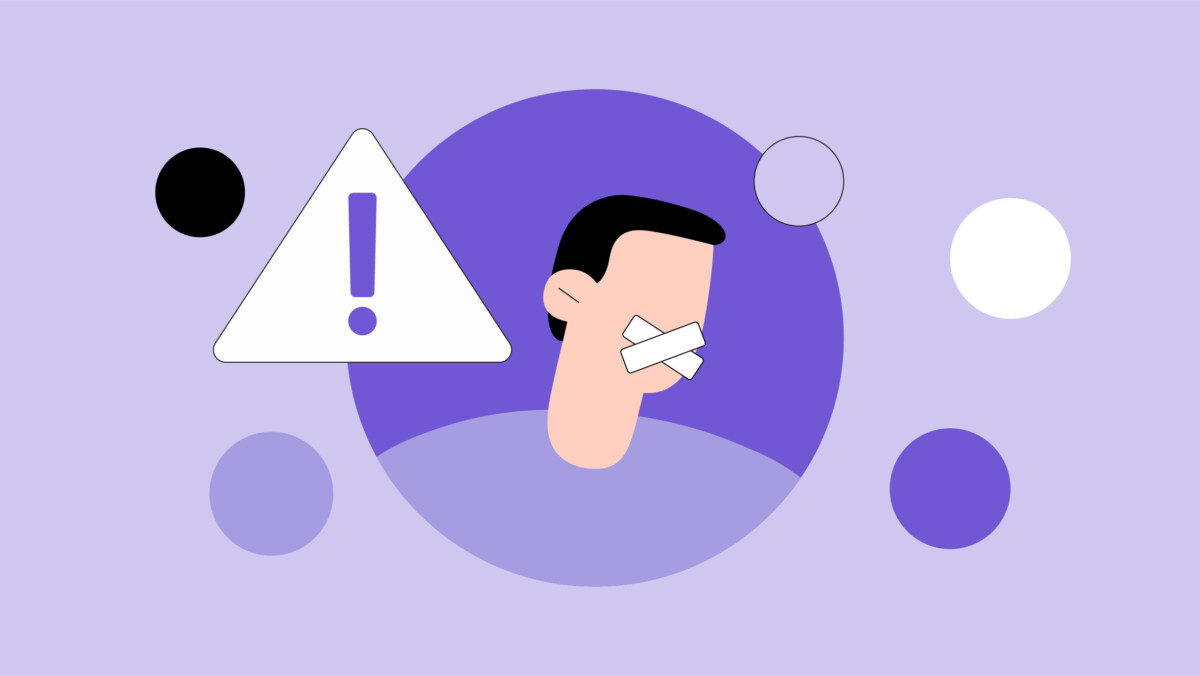
Let’s start with the obvious question: what is mouth taping? The viral mouth taping trend is the practice of using mouth tape to force yourself to breathe through your nose while sleeping. Mouth tape is specialized, medical-grade tape designed to keep the mouth closed at night, unlike household tape (which some participants will inevitably use).
What are the supposed mouth tape benefits?
Using mouth tape is marketed to prevent mouth breathing while you sleep, resulting in a variety of touted benefits. Studies show that nasal congestion, allergies, sleep apnea or anatomical factors force people to breathe through their mouth while sleeping. Mouth breathing reduces saliva production, causing dry mouth, cracked lips, and increased risk of cavities, gum disease, oral yeast infections, and sore throats. Conditions mouth taping is used to treat include:
- Snoring: Mouth breathing can make snoring worse, as the anatomy of the mouth can cause these noisy vibrations, so the theory is that forcing nose breathing will reduce or prevent snoring.
- Sleep apnea: Mouth breathing also exacerbates sleep apnea as it can be a primary cause or contributor of obstructive sleep apnea (OSA).
- Asthma: The nose has a natural filtration system for allergens and irritants, so the idea is to promote nose breathing to filter out more asthma irritants overnight.
- Dry mouth: Sleeping with your mouth open all night can lead to unpleasant oral dryness.
- Bad breath: The dry environment caused by mouth breathing promotes the growth of bacteria that can lead to bad breath.
- Dental issues: The same bacteria can cause dental problems and dryness allows more plaque build-up, which can also lead to issues like tooth decay.
But, does mouth taping have any effect? See what the medical evidence and Sermo community say below.
What does the medical evidence say?
The overall number of peer-reviewed studies on the effectiveness of mouth taping is still limited. Most studies have small sample sizes or moderate quality. So far, most research has focused on its effects for people with mild obstructive sleep apnea (OSA) or chronic snoring, rather than healthy individuals or those with other sleep disorders. Systematic reviews indicate only a handful of randomized controlled trials and observational studies exist, with mixed outcomes and some methodological limitations.
In a systematic review of mouth taping, only a few studies demonstrate significant improvement in sleep apnea markers (AHI, sleep time, oxygen desaturations) from mouth taping. Others found no difference and raised concerns about potential risks like asphyxiation if nasal obstruction is present. Many studies excluded participants with nasal obstruction or pathology.
Here’s what the medical community actually recommends for common sleep issues:
- Snoring: Side-sleeping, nasal dilation strips, and decongestants.
- Sleep apnea: Side-sleeping, maintaining a healthy weight, and using a CPAP machine or oral appliance.
- Asthma: Asthma treatment is more complex and depends on specific health factors. The Mayo Clinic has a great breakdown of the diagnosis process and treatment options.
- Dry mouth: Moisturizing mouth rinse.
- Bad breath and Dental issues: The American Dental Association (ADA) recommends brushing your teeth and tongue twice daily with fluoride toothpaste, daily flossing, and regular dental cleanings and checkups.
The Sermo community weighs in
What does the medical community believe is causing the popularity of mouth taping? In a recent Sermo poll , the vast majority (62%) agreed that social media is driving the trend.
One doctor of internal medicine on Sermo said, “As people rely more and more on their devices, they’re more likely to believe what they see. It’s very dangerous to receive medical advice from someone who is not licensed to do so.”
The next most popular answer was desperation for sleep solutions (14%). One GP shared their insight on this aspect of the issue: “…Patients frustrated by sleep issues are trying these viral trends. While some may benefit, this reflects a global desperation for sleep solutions. Many patients asked me about mouth taping, and I worry about the possible risk, because some try mouth taping on their own.”
Less than 10% of respondents said distrust in conventional medicine (9%) and cost or access barriers to sleep clinics (6%). The remaining 9% weren’t sure. Some doctors express concerns over the risks, as a general practitioner shares: “Yes, some patients have mentioned or inquired about mouth taping for sleep. While it’s a popular trend on social media, it’s important to understand the potential risks and benefits before trying it, according to health publications. Some people report benefits like reduced snoring and improved sleep quality, but others have experienced negative side effects like skin irritation or even dangerous breathing complications, especially those with undiagnosed sleep apnea, according to health publications.”
Doctors in the Sermo community were asked, “In your medical opinion, how would you categorize mouth taping as a sleep practice?” The plurality (39%) selected “potentially dangerous without clinical evaluation.” The next most common response (23%) was “purely pseudoscientific trend.”
11% said they believed it was “beneficial, if used correctly for specific cases” and even fewer (8%) thought it was “harmless in most cases.” A GP from Spain said, “I can’t see any benefit for this practice except for avoiding snoring, and that is an airway problem, not a mouth one.”
Nearly half (48%) indicated that they would never recommend mouth taping as part of a patient’s treatment plan. From this it’s clear that most physicians on Sermo categorize this practice as an unsupported wellness trend separate from evidence-based treatments.
What’s driving the popularity of mouth taping?
Using mouth tape for sleep has gone viral from social media content creators posting about the anecdotal benefits users have supposedly experienced. While the previously listed mouth tape benefit claims are the most common, there are also a few less common claims, ranging from a boosted immune system to stronger jawlines.
The vast majority of these claims are unsupported by medical evidence and in many cases, completely untested. Many of the users — including medical professionals — are basing their claims of mouth tape benefits completely on the benefits of nasal breathing alone and assuming that mouth taping prevents mouth breathing and leads to better nasal breathing, therefore providing the same benefits. According to one GP on Sermo, “Social media is a place where valuable information can be shared but also potentially harmful, between the pseudoscience, nefarious intentions, desperate attention seeking, and plain ignorance of some people. Even medical practitioners in the medical field are being swept up in the misinformation and political biases we are currently facing.”
Aside from social media, there’s another primary cause of the trend’s growing popularity. It may or may not actually provide the suggested benefits, but what does mouth taping do for patients? It gives them easy answers to medical and dental problems that don’t require navigating the increasingly expensive and complex system of healthcare consumerism.
Many people don’t have access to affordable healthcare and dental care. Sleep conditions like sleep apnea have proven solutions, like CPAP, but they can be prohibitively expensive and have a low compliance rate, leaving many patients without relief. Mouth taping gives them an instant low-cost alternative that they can easily access and practice at home.
The risk of mouth taping for patients with underlying health conditions
In all of the TikTok videos, Meta threads, and Reddit comment sections, there’s one crucial question often forgotten. Is mouth taping safe? Because mouth taping is simple and inexpensive, people often assume that it poses no risks or adverse effects.
One of the most significant risks associated with mouth taping is that it causes patients to postpone the proper diagnosis of an underlying sleep disorder. In the Sermo poll, we asked physicians if they think mouth taping could make or delay the diagnosis of sleep disorders. 20% of physicians say ‘yes, absolutely’, and another 42% say ‘possibly, depending on the patient.’
Many doctors expressed concerns about the potential dangers. A family medicine doctor commented: “I find these trends dangerous and unnecessary. There are sleep professionals who could help patients suffering from this condition and inconvenience partners and neighbors. But making the decision to use something dangerous that could even lead to aspiration is negligence.”
When a patient seeks medical treatment for issues like snoring, poor sleep quality, or lack of energy, there are generally multiple factors to consider. Viral wellness trends often overlook medical evidence and offer generic advice that does not take into consideration an individual’s genetics or health history.
Difficulty breathing
Patients who have underlying conditions like a deviated septum, nasal polyps, or other obstructions, including nasal congestion, can be at risk for asphyxiation when using mouth tape.
An Otolaryngologist also had an insightful comment, “I’m an ENT and see a number of patients who come to see me because they can’t breathe thru their nose and then they ask about mouth taping. Might as well put a pillow over your face and suffocate yourself. If you can’t breath thru your nose and then you tape your mouth, now you can’t breath at all.”
There are people with these issues who are undiagnosed, so they may not even know that mouth taping is dangerous for them. In fact, mouth breathing is often the body’s compensation mechanism for these issues. Mouth taping, in these cases, removes the body’s ability to counteract the lower airflow experience when breathing through the nose alone.
Even tongue placement can affect the amount of air flow during nasal breathing. While nasal breathing, when done correctly, can have numerous benefits, people using mouth tape for sleep won’t experience them unless their tongue is properly placed. For patients using mouth taping to get better, more restful sleep, this one mistake can cause the opposite result.
Redness, irritation or allergic reactions on the lips and skin
The skin on and around the lips is very sensitive. It can be more susceptible to inflammation, soreness, and rashes. Mouth tape uses various adhesives to keep the product in place, which can cause redness and irritation, be painful to remove, or trigger allergic reactions.
Increased anxiety
Mouth taping can cause patient anxiety. Being restricted and unable to open one’s mouth can be deeply upsetting and feel inherently dangerous, especially for those unaccustomed to nasal breathing.
One Healthline writer who tried it for five nights said, when she applied the tape horizontally, she realized she wouldn’t be able to force her mouth open if she really needed to. This was so worrying that she would only apply a small piece of tape vertically for sleeping.
Difficulty falling and staying asleep
Discomfort, anxiety, and lack of oxygen naturally lead to a poor night’s sleep. It’s important to remember that the few studies that found benefits from mouth taping were only completed under ideal conditions for a select group of suitable patients. Many people attempting mouth taping at home without clinical supervision or instruction would likely not experience the purported benefits, such as better sleep and increased energy.
A US-based dermatologist on Sermo said, “I think that if folks want a good night’s sleep, they should do less screen time & not mouth taping. If you get congested while sleeping, you may suffocate or come close to it, with the attendant pathophysiological changes that may accompany it. This makes as much sense as inhaling glue or other noxious, potentially harmful stupidities.”
Other doctors focused on the conditions that make it dangerous. One internist in the US said, “Terrible idea for patients with nasal/sinus congestion or a history of cardiac dysrhythmias.” A pediatrician added, “It is important to tell patients that it is not adequate if they have comorbidities such as sinusitis, pólipes nose, and cardiac infection.”
What’s the responsibility of doctors amidst dangerous health trends?
Dangerous healthcare trends riddled with misinformation are on the rise. Mouth taping is just the latest iteration of the phenomenon. Debunking medical myths is now an unavoidable part of modern practice and patient advocacy.
Effective myth-busting can involve directing patients to trusted, authoritative sources for additional information. “I suggest patients check out trusted sites like government health websites and professional medical organisations,” writes one GP on Sermo.
In the Sermo poll, members shared that they rely on clear, simple explanations, provide scientific evidence, point out authoritative sources, or use a combination of these strategies.
Stay informed about current health trends on Sermo. When patients inquire about them, provide evidence-based information. If patients are experiencing issues that these trends claim to resolve, caution them about the associated risks and clearly articulate why established medical treatments are the superior and safer option.
Doctors must become expert communicators, explaining why trending health fads are ineffective or dangerous instead of ignoring or merely dismissing them. It’s crucial to validate patients’ concerns, educate them on their conditions, correct treatments, and counter online misinformation.
One GP in the Sermo community put it perfectly, saying “I see this along with the carnivore diet, raw milk, anti-vax, etc as part of a “wellnessˮ trend pushing back against the evidence-based medicine establishment. In primary care, we can respond with curiosity and compassion to keep patient trust while gently confronting behaviors that are harmful, expensive, or unnecessary.”
The physician consensus on mouth taping
Medical misinformation is growing more prevalent online. The medical community must counter this with proper guidance. Seemingly harmless wellness trends like mouth taping can worsen complex medical issues or risk lives by delaying a proper diagnosis and proven treatment. Patients unaware of their risks use these unproven methods as a temporary fix, neglecting underlying conditions that require a physician’s expertise. Doctors must emphasize their critical role as trusted health sources and explain the dangers of seeking alternative, unproven solutions.
The consensus among doctors on Sermo is that it’s a dangerous practice, especially for patients with respiratory and cardiac comorbidities. They were asked if any of their patients mentioned or asked about mouth taping for sleep. Over a quarter of them (28%) said they had. One vascular surgeon put their thoughts very bluntly:
“As a medical professional, I do not support the practice of mouth taping. This trend, which has gained popularity primarily through platforms like TikTok, lacks scientific evidence and has not been approved by reputable medical organizations. The idea of taping the mouth shut during sleep poses significant risks, including restricted airflow, increased risk of choking, and exacerbation of underlying sleep disorders such as obstructive sleep apnea.”
Many doctors shared the idea that this method is an oversimplified and ineffective solution to more complex issues. A US rheumatologist stated that, “Mouth taping sounds crude and too simple as solution to any medical condition. If it was this simple, this practice would have been adopted ages ago.”
Some focus on the lack of evidence with a neurologist saying, “At the moment, from a scientific point of view, there is not enough evidence to demonstrate that a mouth patch helps improve night-time sleep or is effective against sleep apnea or prevents snoring.” Another physician on Sermo had a similar view: “Mouth tapping for me is a pseudoscientific trend. It will require more research and scientific explanation. It is true it is becoming more common due to social media influences. But that’s not science.”
All in all, mouth taping is not supported by the medical community as a valid treatment plan and represents a major concern that highlights the dangers of relying on medical advice from social media personalities.
In order for doctors to warn patients of these dangerous trends and provide medically accurate information, they first need to be aware of them. The Sermo community serves as a vital platform for physicians to share insights, collaborate on solutions, and collectively work to protect patients from harmful trends.
Physicians on Sermo also discuss important topics like the validity of music therapy and full-body MRIs, provide insight into topics like what doctors really think about the cost of weight loss drugs, and share their experiences with new technologies, like AI and robotics in surgery.
Join Sermo to keep up to date on trends, collaborate on patient cases, and move medicine forward one conversation at a time.