Most physicians rely on more than one medical website to support their day-to-day workloads, from checking the most recent medical guidelines during patient consultations to catching up on new research or connecting with colleagues after-hours. 47% of surveyed doctors on Sermo found themselves visiting websites like these throughout their day during breaks.
Over time, a list of websites emerges that are reliable, familiar, and integrate seamlessly into a physician’s workflow. The best websites for doctors provide immediate access to clinical decision support, peer networking, and continuing medical education (CME). According to physicians, the top trusted platforms include PubMed for research, UpToDate for clinical evidence, Medscape for news, and Sermo for peer-to-peer collaboration and medical surveys.This article explores the most commonly used websites for medical research, clinical decision making, and peer connection.
Why do physicians rely on medical websites?
Medicine evolves rapidly, and no doctor can retain every guideline, drug update, or emerging research result. Doctors and healthcare professionals (HCPs) use digital platforms and medical websites to streamline their workflow, validate clinical decisions, and find community support. In a poll of over 2,200 physicians on Sermo, 33% stated they reference a healthcare website daily, while 48% reference them two to three times a week. This frequency reflects just how important these websites have become to the modern physician, not to mention the rising use of AI in healthcare.
When asked about the primary benefits of these platforms, physicians highlighted:
Continuing Education: 30% of respondents use them for earning CME credits and refreshing medical school concepts.
News Updates: 28% use them to stay current on global medical news and guidelines.
Clinical Validation: 27% use them for fact-checking and obtaining evidence-based clinical advice, reassuring or confirming clinical diagnosis or treatment options.
“Continuous updating is essential in our career… now with Sermo I review interesting cases and share my publications with the intention of obtaining opinions and suggestions.”
GP, Turkey
Another family medicine physician spoke to how medical websites help them to make better clinical decisions: “Clinical websites…are essential tools to keep up with latest guidelines, and obtain quick refresh on medical diagnosis and treatment for common illnesses.”
Family Medicine, U.S.
Top 12 best websites for doctors
Based on physician usage data and survey responses, here are the top online tools and websites for doctors in 2026.
The data above highlights the types of websites doctors visit. But, which specific websites do physicians frequent? According to our recent Sermo survey, the top websites for doctors are:
Here are the top health web sites doctors and medical professionals can use to gather medical information:
1. Sermo: best for peer networking & paid physician surveys
Sermo is the world’s leading social platform for physicians, connecting over 1.5 million HCPs across 150 countries. Sermo goes beyond static information by offering a “virtual doctors’ lounge” for collaboration. It’s a place where physicians can ask candid questions, discuss difficult cases, and see how peers around the world are thinking about similar clinical challenges. Many doctors use Sermo alongside traditional research tools, not to replace evidence-based resources, but to add context from real-world clinical experience.
Improve your practice by getting advice from your peers, stay up-to-date on medical news and technological advancements, and share your questions, experiences and observations with a worldwide community of doctors.
Drug Ratings: Access the world’s largest database of 1.2M+ peer drug ratings to get physician insights based on real prescribing experience, and to add your own.
Case Solving: Post tough cases and get feedback from global specialists within hours.
Community: A stress-free, anonymous environment to vent, laugh, and connect with other physicians.
Sermo Mobile: Free, secure international patient calling that allows you to contact your patients from anywhere, while keeping your personal details protected.
One nephrologist on Sermo shared, “I have been a member of SERMO for a few long years – during this time, I made more friends, I learned a lot from clinical cases… and of course, I made money doing surveys.”
Nephrology, Spain
2. PubMed: best for biomedical research
When physicians want to check the original evidence behind a recommendation, PubMed is usually where they turn. Maintained by the U.S. National Library of Medicine, it remains the most widely used database for peer-reviewed biomedical research. PubMed isn’t designed for quick answers during patient visits, but rather supports digging deeper into recent trials, exploring rare conditions, or verifying evidence.
Best for: Deep-dive literature research, accessing abstracts and full-text articles, and verifying studies.
Useful features include: Filter by year/article type, save citations, and access trending research.
3. UptoDate: best for clinical decision support
In moments when physicians need clear, evidence-based answers quickly: UpToDate is a premier clinical decision support resource, part of Wolters Kluwer. It synthesises the research and provides evidence-based recommendations overseen by in-house physician editors.
Many physicians find it useful for checking less familiar conditions or guidelines when preparing a treatment plan, or for finding quick answers during a patient consultation.
Best for: Answering specific clinical questions at the point of care.
Key Features include: Drug interaction checkers, patient education materials, and accessible CME credits.
4. MedScape: best for medical news & drug reference
Medscape is a comprehensive destination for breaking medical news, drug monographs, and disease information—forming part of a daily routine for many doctors. It allows for highly customized newsfeeds based on specialty and region that make it useful for checking headlines, reviewing drug information or getting specialty-specific updates without committing to more in-depth research.
Best for: Daily news briefings, drug dosage lookups, and checking interactions.
Notable features: “Decision Point” video answers, free membership, and a robust Physician Business Academy.
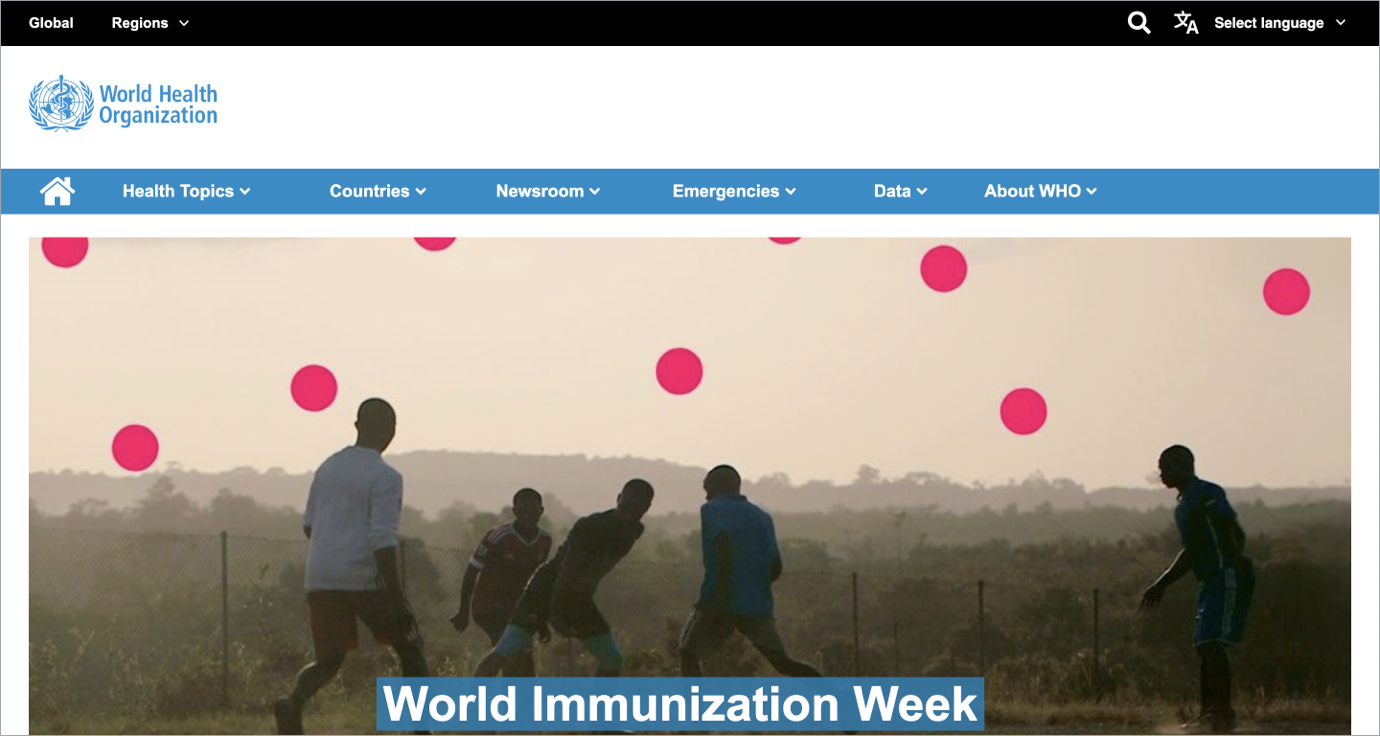
As part of the UN, the WHO directs international health responses and is most relevant to doctors who need a global perspective. It is a critical resource for pandemic data, travel guidance, and global health statistics. For most specialties visiting the WHO website won’t be part of day-to-day work, but it does play an important role in monitoring outbreaks and epidemiological trends. This information can be particularly useful for travel doctors or those taking on international locum tenens assignments.
Best for: International travel advice, vaccine research, and epidemiological data.
Key Features: Country-specific health strategies and real-time updates on global health emergencies.
The NIH is the world’s largest biomedical research agency, but it serves a different purpose than other point-of-care tools. It is the go-to source for U.S.-based professionals when they’re involved in research, looking for clinical trials and funding opportunities — not when looking for answers to immediate clinical questions. The value of the NIH for doctors lies in scope and credibility.
Best for: Locating research funding, applying for grants, and finding clinical trials.
The AMA is less about clinical decision making and more about the profession of medicine itself, representing physicians in legislative systems and promoting public health. It connects nearly 200 medical societies and offers resources for every career stage, from students to veterans. Many physicians engage with AMA resources when navigating policy changes, reimbursement issues, or practice management challenges, particularly during transitions in training or leadership roles.
Best for: Health care advocacy, practice management tips, and insurance resources.
Key Features: JAMA Network access, CME accreditation, and resources for residents.
8. ClinicalKey: best for speed & searchability
Run by Elsevier, ClinicalKey is a “search engine” for clinical answers, aggregating journals, books, and videos into one database. It’s designed for situations where physicians want to access multiple sources of authoritative content at once, and is often helpful for concise topic overviews rather than longer research articles.
Best for: Fast answers to complex questions and visual references.
Key Features: Topic summaries, extensive video libraries, and specialized subscriptions (e.g., nursing, pharmacology).
9. Epocrates: best for mobile drug reference
Epocrates is a widely used mobile app and website focused on pharmacology. Over a million clinicians use it for safety checks and dosing, and it can be helpful in fast-paced settings where quick checks on dosing, pill identification or drug interactions are needed.
Best for: Pill identification and checking insurance coverage for drugs.
Key Features: Interaction check (multi-drug), pediatric dosing, and COVID-19 updates.
10. WebMD: best for patient perspective
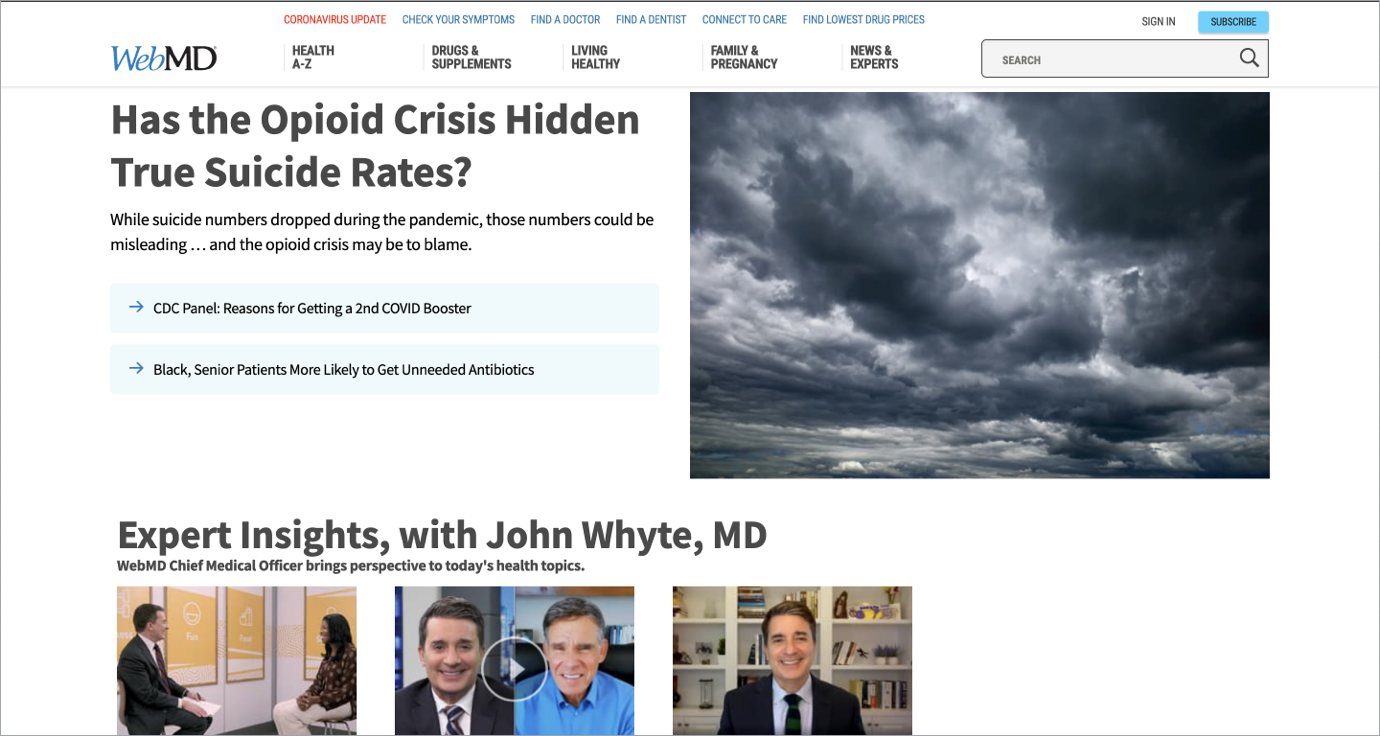
While written for patients rather than physicians, WebMD is still valuable for doctors who need to understand what their patients are reading. It helps physicians anticipate patient questions and concerns about what they might have read online about their symptoms or condition. This website also helps physicians to keep abreast of what health misinformation their patients might be influenced by.
Best for: Understanding the “patient mindset” and reviewing common symptom checkers.
Key Features: Patient-authored blogs
11. MedicineNet: best for patient education
Part of the WebMD network, MedicineNet sits between consumer health information and physician-reviewed education, featuring content written by practicing physicians designed to educate the public. It can be useful when physicians need clear, plain-language explanations to share with patients or caregivers, especially when translating complex terms into something more accessible.
Best for: finding clear, doctor-written explanations to share with patients.
Key Features: Medical term dictionary, health quizzes, and simplified medical guidance.
12. OpenEvidence: best for ai-powered clinical decision support
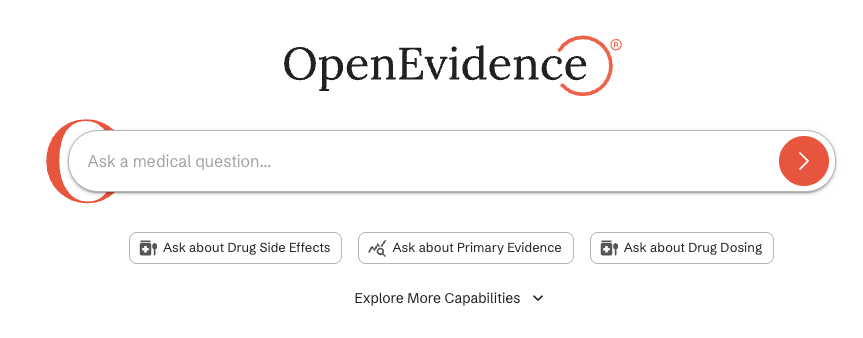
OpenEvidence is a rising star among clinical decision support tools, designed specifically for clinicians who need trusted answers, and fast. Rather than replacing traditional databases, it helps physicians to synthesize the research quickly. Developed by Harvard and MIT researchers via the Mayo Clinic Platform Accelerate program, OpenEvidence draws exclusively on peer-reviewed literature to provide concise, clearly-cited responses that can support clinical decision making.
Best for: Quickly translating research into actionable advice at the point of care.
Key Features: Natural language queries, evidence-based summaries, fully-referenced recommendations, and integration with hospital workflows.
Doctors across the U.S. are quickly adopting OpenEvidence, with more than 40% now using it daily and thousands of hospitals already on board. Physicians appreciate both its efficiency—with one GP on Sermo calling it “a massive time-saver”— and its ability to bring evidence-based medicine right to the bedside. As another clinician noted in a Sermo poll, “It streamlines clinical decisions with fast, evidence-based answers, improving accuracy and saving time.”
GP, United States
Discover the best websites for doctors with Sermo
No single website can meet every need in modern medical practice. Most physicians rely on a mix of tools, some for research, others for point-of-care decisions and a few for staying connected to the wider medical community.The websites for healthcare professionals in this article will help you access the ever-changing medical landscape, as well as the peer-to-peer connections you seek, but the best websites for you are the ones you come to use regularly to support your own clinical decision making and patient outcomes.
Beyond articles and algorithms, Sermo gives physicians a space to compare perspectives, pressure-test clinical thinking, and see how colleagues around the world are approaching similar challenges. If you’re looking for a social outlet with clinicians who understand your position and a platform to discuss the latest news and get second opinions on diagnoses and treatments—Join Sermo today.
Frequently Asked Questions
Q: Which medical websites offer paid opportunities for doctors? A: Sermo is the leading platform for paid medical surveys and digital research, allowing physicians to earn honoraria for their expertise. Other sites may offer occasional opportunities, but Sermo specializes in physician market research.
Q: Are there free alternatives to UpToDate? A: While UpToDate is a subscription service, Medscape and PubMed offer free access to extensive drug databases, interaction checkers, and medical literature. However, UpToDate is often preferred for its synthesized, evidence-based clinical summaries.
Q:Where can doctors find peer support and community? A: Sermo is specifically designed for peer-to-peer connection, offering a verified, anonymous space for doctors to discuss practice challenges, clinical cases, and lifestyle topics without patient interference.
Sermo has been named to Newsweek’s America’s Best Online Platforms list for 2026, ranking No. 32 in the Health & Care category.