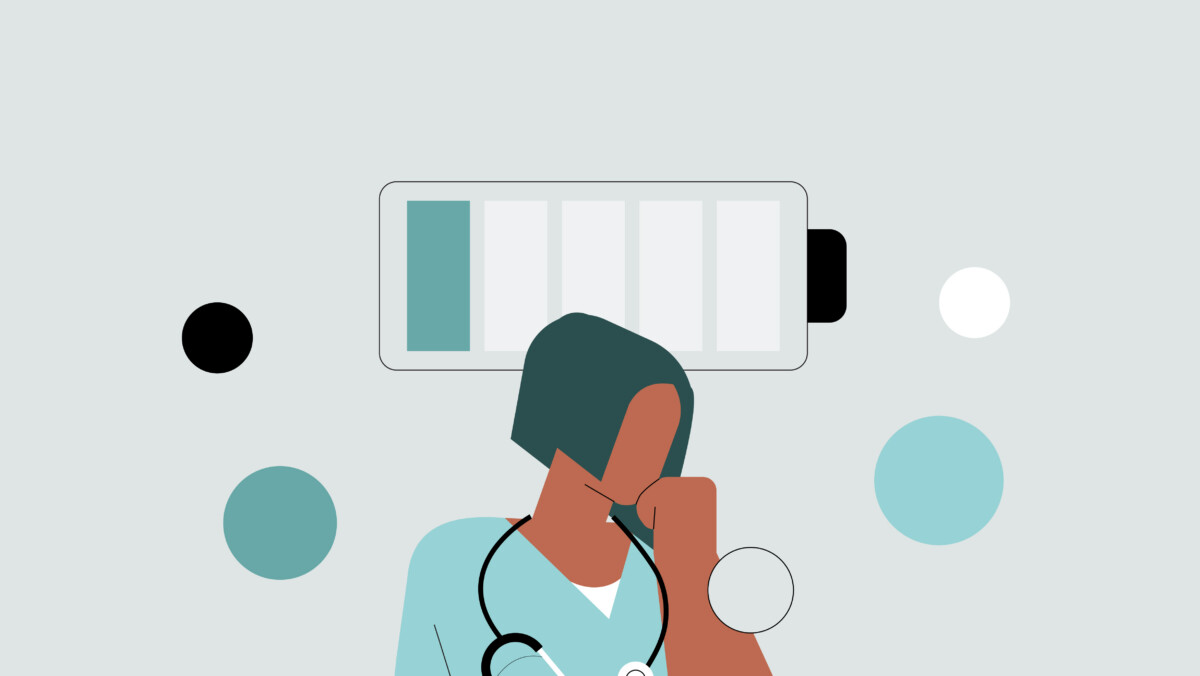
Nursing is a rewarding career that allows you to care for those in need, but it can also be draining and lead to burnout. The fact is that long shifts, heavy patient loads, and a global nursing shortage estimated to be in the millions have placed a heavy burden on nurses, which can cause even the most resilient nurses to feel exhausted. This has resulted in nursing burnout becoming a systemic clinic crisis, with the pressure on nurses to “do more with less” resulting in nearly two-thirds of nurses (62%) experiencing burnout according to the AHA.
Unfortunately, burnout doesn’t just drain your energy; over time, it can put your well-being, focus, and patient care at risk. The good news is that if you are experiencing burnout, you are not alone, and there are actionable steps that you can take that can provide relief. Keep reading as this article explores the causes of burnout in nursing, common signs that you can look out for, and tactics to help you deal with active burnout.
Understanding the causes of burnout
Burnout has become an epidemic amongst nurses that is driven by chronic workplace stress as a result of excessive workloads, understaffing, and limited resources. Some of the most commonly reported causes of burnout amongst nurses include:
Long hours
Perhaps the most common cause of burnout in nurses is long working hours. As a result of significant staffing shortages, it is not uncommon for nurses to be expected to work 12- or even 16-hour shifts. These long hours can be a significant source of stress, burnout, and turnover in nursing. It can also result in chronic fatigue that can impact patient care by increasing the risk of errors. When asked about the hours they work, one nurse on Sermo stated that:
“I have found myself taking up an extra shift, thereby doing a 16-hour shift in a row due to staff shortage, with a 1-hour break in between. Although I have difficulty taking breaks at work but I try as much as possible to observe my break and have up to 6-8 hours of sleep every day to avoid burnout.”
In response to this comment, a psychiatric nurse in the Sermo community went on to say that:
“Taking on extra shifts can feel like the right thing to do—out of commitment, financial pressure, or simply not wanting to let others down—but over time it can quietly erode your own reserves. Feeling burnt out is not a personal failure; it’s often a sign that you’ve been giving more than is sustainable for too long. It’s okay to acknowledge the exhaustion, both physical and emotional, and to recognize that caring for yourself is not separate from being a good nurse—it’s part of it. Pausing, setting limits where possible, and allowing yourself rest is not quitting; it’s an act of self-respect and preservation.”
Poor work environments
Burnout in nursing is also often the result of poor work environments. In particular, nurses who struggle with a lack of resources, poor communication between staff and leadership, and ineffective leadership are more likely to experience burnout. Without the proper resources to do their jobs or strong leaders to support them and advocate on their behalf, nurses are more likely to experience heightened stress, lack of motivation, and feelings of burnout.
Greater workloads
Staffing shortages can also lead to increased workloads. Not only are nurses now expected to manage more patients than ever before, but they must do so while also being expected to handle charting, follow-up care, phone triage, and other administrative tasks. This heightened workload not only adds stress, but it can also lead to frustration (and eventual burnout) as nurses feel like they are being expected to handle so many tasks that they’re unable to complete their jobs to the standard they’d like.
Poor work-life balance
Nursing shortages, long hours, and heavy workloads can leave you feeling like you spend your whole life at work. Furthermore, during your precious time off, you may feel drained and have little time or energy for family, friends, or even hobbies. This can leave you feeling fatigued and disconnected from your loved ones. Unfortunately, giving so much to your patients without leaving time for yourself can quickly lead to burnout.
The main signs of burnout in nurses
While noticing burnout in nurses early is crucial, as it allows you to take steps to intervene, it can be difficult to see the signs that you’re crossing over into burnout until it’s too late. Fortunately, there are early warning signs of burnout that you can look out for in yourself and your colleagues, including:
Developing a cynical attitude toward work
When you are experiencing severe stress and become burned out, one of the first signs you may notice is that you develop a cynical attitude about your work. This can result in you feeling detached from your patients and colleagues, and you may find yourself simply going through the motions rather than actively engaging in your work.
Lack of empathy for patients
Like many nurses, empathy and a desire to help others are not only what likely motivated you to get into healthcare in the first place, but they’re also the things that drive you to do your best. However, as you become burnt out, you may start to exhibit a reduced capacity for empathy or caring for your patients. This doesn’t mean that you don’t try your hardest to care for your patients, but nurses experiencing burnout often feel more detached from their work.
As one nurse on Sermo put it: “I realize I’m burnt out when I start ‘not caring’ about others. Not necessarily in a bad way, but in a ‘numb’ way. I obviously still take care of my patients, but after the constant emotional baggage and caring about so many patients, my brain just turns off to protect me. (Mind you, I’m triaging over 100 different patients each day.)”
Sense of panic about going to work
Staffing shortages, long hours, and heavy workloads can quickly impact your mental health. Not only can this lead to anxiety and depression, but you may even feel a sense of dread or may even experience panic attacks before going into work.
Avoidance
As burnout progresses, panic about going to work can ultimately result in avoidance, which may cause you to take days off when you aren’t sick to avoid the stress and pressure of going to work. Of course, mental health days can be helpful, but it’s important to notice when these become a form of avoidance, as this may be a sign of burnout and should not be ignored.
Withdrawal from personal and professional relationships
Stress, anxiety, and depression from burnout at work can cause you to withdraw from your colleagues, friends, and family. As your mental health deteriorates, burnout can cause you to isolate yourself, which can have a negative effect on your mental health.
5 Tactics to deal with burnout
If you notice that you are starting to experience burnout, it’s essential that you recognize it and take steps to proactively manage stress and restore balance. Not only is this critical to protect your mental health, but also to ensure that you’re providing each of your patients with the highest possible quality of care. If you believe that you’re experiencing burnout, the following tactics can help you alleviate your symptoms and get you back to enjoying your job.
Turn to other people
Emotional support can be critical in helping you manage the mental load of patient care, and it’s important that you aren’t afraid to turn to those around you for support. Reaching out to co-workers to let them know how you’re feeling, or venting to loved ones, can help you cope with the stresses of clinical care settings.
Reframe the way you look at work
One way that you can overcome workplace stress and burnout is to reframe the way you look at work. Your mindset can have a significant impact on your mental health, and focusing on wins (such as positive patient interactions) and the things you can control can significantly improve your mental state. It’s important to remember that understaffing is out of your control, and all you can do is try your best with the resources you have.
Reevaluate your priorities
You can also reduce burnout and improve your mental health by reevaluating your priorities. Many nurses prioritize work at the expense of their personal lives and mental health, which can lead to burnout. It is essential to prioritize taking care of yourself by learning to say no to extra shifts and detaching from work when you get home. It’s also critical that you use as much of your vacation time as possible throughout the year, as taking time to step away from work can help you relax, recharge, and come back to work motivated to do your best. A wound, ostomy, and continence nurse on Sermo said that:
“To prevent burnout, I use my PTO to take wellness days off. I make sure I get enough sleep, take breaks at work, and exercise a few times a week.”
Additionally, spending your time away from work on hobbies and connecting with loved ones can help reduce your stress and restore some work-life balance.
Prioritize frequent physical activity
Physical activity has been proven to provide stress-relieving effects, helping to reduce stress and anxiety while improving overall mood. Prioritizing frequent physical activity can then be essential not only in helping reduce burnout, but it can also improve your overall fitness, making the physical demands of nursing less strenuous. When providing advice on how to avoid burnout, one family practice nurse on Sermo said:
“I meditate daily and do cardio/strength training 3-5 days weekly. I feel it helps with my stress level. I work in a busy clinic with a high patient acuity, i.e., lots of potential for stress. That said, my stress level is relatively low. I attribute it to these activities.”
Take mental health breaks
Finding ways to protect and support your mental health is essential if you start to notice that you’re experiencing burnout. If you are extremely stressed, tired, and feel like you’re reaching a breaking point, it’s critical that you take a mental health break to recharge and recover. Whether this means taking a vacation, extended break, or merely using a sick day to focus on yourself, these mental health breaks are essential in helping you avoid/recover from burnout. When discussing how they avoid burnout, one nurse on Sermo stated that:
“If I find I am in this ‘numb’ state before a shift and it’s bad, I will call out of work to protect my mental health and the patients. I use my off days as my OFF days. No thinking about work, talking about work, distracting myself, running, and talking to friends and family. I have found that doing things that aren’t my typical routine on off days seems to help when I have to go back. My workplace talks about it but does nothing about it, continuing to be understaffed and wondering why the turnover and burnout rate are so high.”
The role of peer support in combating nurse burnout
Ultimately, one of the worst things that you can do as a nurse experiencing burnout is to try to handle it alone. As one psychiatric nurse on Sermo states: “I have learned over the years of being a nurse, (and) most recently being a psychiatric mental health nurse practitioner, that being a good nurse doesn’t (mean) carrying everything alone or ignoring my own needs.”
Suffering in silence can cause your mental health to deteriorate further, which not only puts your well-being at risk but also threatens the well-being of your patients. Turn to others for help if you’re struggling with the stresses of clinical practice. In particular, peer support can be extremely beneficial, as talking to other nurses gives you access to people who understand what you’re going through, and they can provide support and guidance on how to overcome burnout. If you do not feel comfortable turning to your colleagues, there are many in-person and online support groups for nurses in clinical settings. The Sermo community gives nurses and nurse practitioners a platform to advocate for structural changes that will make the profession sustainable for the next generation. Joining the Sermo community can also help you connect with peers facing the same challenges as you.
Nurse, you’re not alone
Perhaps the most important thing nurses experiencing burnout need to keep in mind is that feeling stressed, burnt-out, or overwhelmed by their job is not a sign of failure. The fact is that burnout is a professional injury resulting from staffing shortages and heavy workloads, and you are not alone if you are feeling burnt out.
In addition to burnout rates being high, many nurses are also increasingly suffering from moral injury, which refers to the distress felt when systemic constraints (such as understaffing and limited resources) prevent them from providing the high-quality care they were trained to give. While this is a common cause of distress and burnout amongst nurses, it’s important to maintain perspective and remember that these systemic constraints aren’t your fault, and you’re doing the best you can with the resources you’ve been given. It’s also important to remember that you can’t provide quality care if you’re being overworked, which is why you need to learn to say no and set hard boundaries when it comes to overtime and your work-life balance.
If you are experiencing significant burnout and you don’t think you can continue working in a clinical setting, then you may also want to consider pivoting your career and going into something different, like remote nursing. You may find that switching career paths significantly improves your mental state. Alternatively, if financial issues are the primary cause of your stress, you could also take up a side gig to bring in extra income. For instance, participating in Sermo surveys can provide a small financial buffer, allowing you to take fewer shifts, which can help reduce burnout.